


How Many Ways to Savor Wheat in the Canteen of Nanhu Experimental Middle School?

Epigraph:
The wheat fields in September are like rolling golden waves
Plump ears of wheat blossom into weighty hopes as they find their way into the granary
Every grain of wheat is cloaked in the savor of sunlight
The golden wheat fields witness the passage of time
and are the crystallization of farmers’ sweat and hopes
Our Nanhu students, as they savor these grains
feel the toil of farmers
and savor the gifts of the earth
The truest joy in mortal life lies in simple delicacies
Su Shi savored every delicious flavor of the mortal world
By a small tower, beneath the midnight lamp
silver-thin hand-pulled noodles slip into the boiling broth
In Zheng Banqiao’s verse, a bowl of steaming noodles
warms the body and soothes the soul
For a thousand years, wheat-based food has carried the warm mortal charm woven into ancient verse
One chewy bite, and we taste the soul of half a civilization
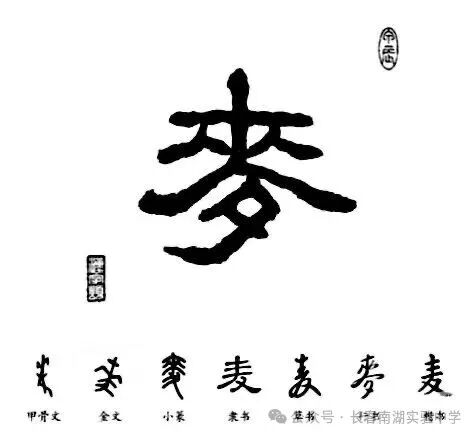
The millennia-long evolution of the character Mai (wheat)
preserves the gaze of ancestors who looked up to heaven and down to earth
More than that, it simmers with the warm, living heat of mortal life
Today, let us gather over wheat-based delicacies
unfold the rich food legacy of Nanhu Experimental Middle School
and share the flavorful moments that make Nanhu so special
In his poem Huai Ye Leng Tao (Cold Noodles with Sophora Leaf Juice), Du Fu wrote
“Fresh noodles from the nearby market stand
with juice and sediment well blended by hand
They chill colder than snow upon the tongue—
O cherish this pearl, to all hearts be sung
The poem celebrates a summery dish of cold noodles made by kneading sophora leaf juice into the dough. The leaves lend the noodles a jade-like hue and a subtle herbal fragrance, while their smooth, icy-cool texture offers a refreshing escape from the heat
China is the birthplace of noodles
Archaeological evidence shows that
as early as 4000 years ago in the Neolithic Age
ancient Chinese ancestors had mastered the art of making noodles
Now here at Nanhu Experimental Middle School
let us follow the fragrance of noodles through the ages
and taste for ourselves the inclusivity and enduring heritage
of Chinese cuisine, shaped by millennia of culture
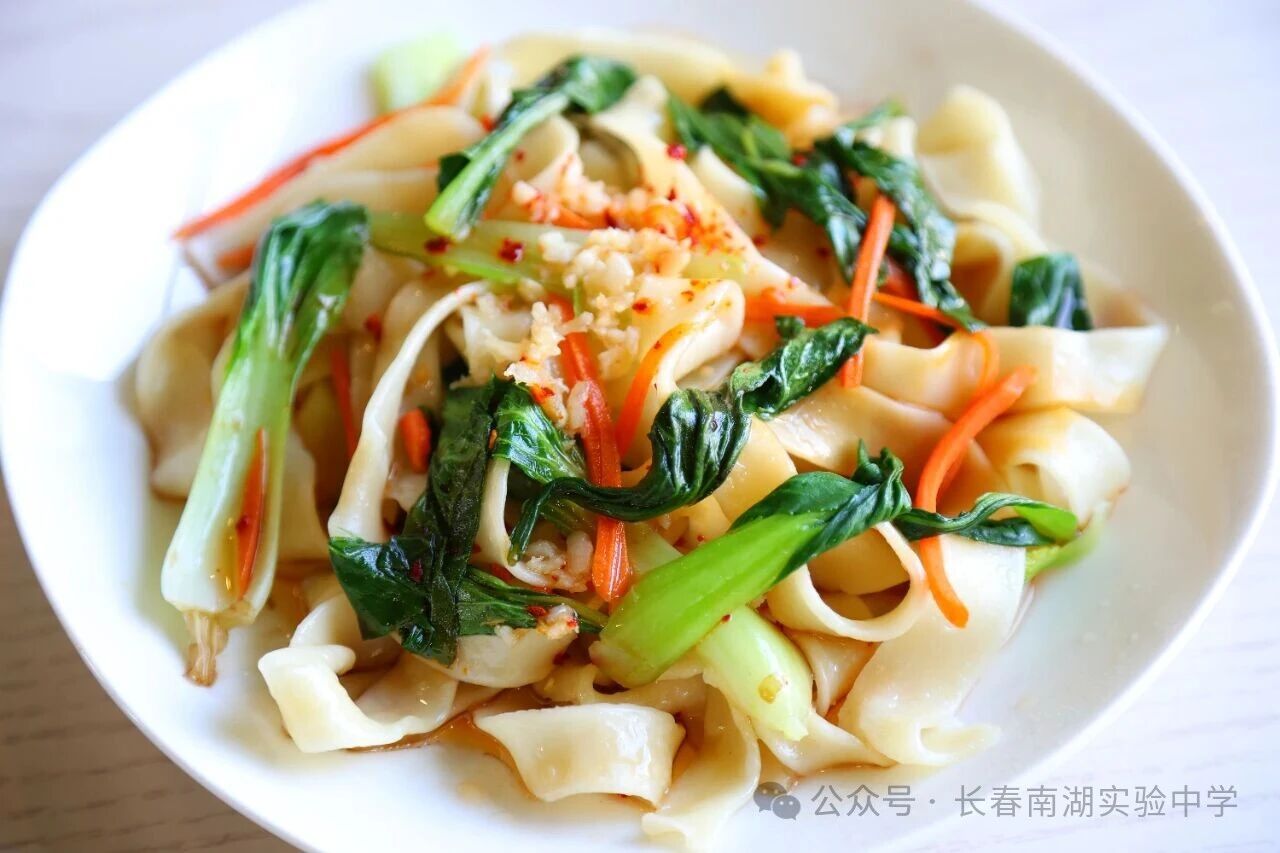
Biangbiang noodles burst with a bright, tangy heat
a perfect mirror of the warmth and simplicity of the Loess Plateau people
Each bite pays homage to ancient roots and enduring heritage
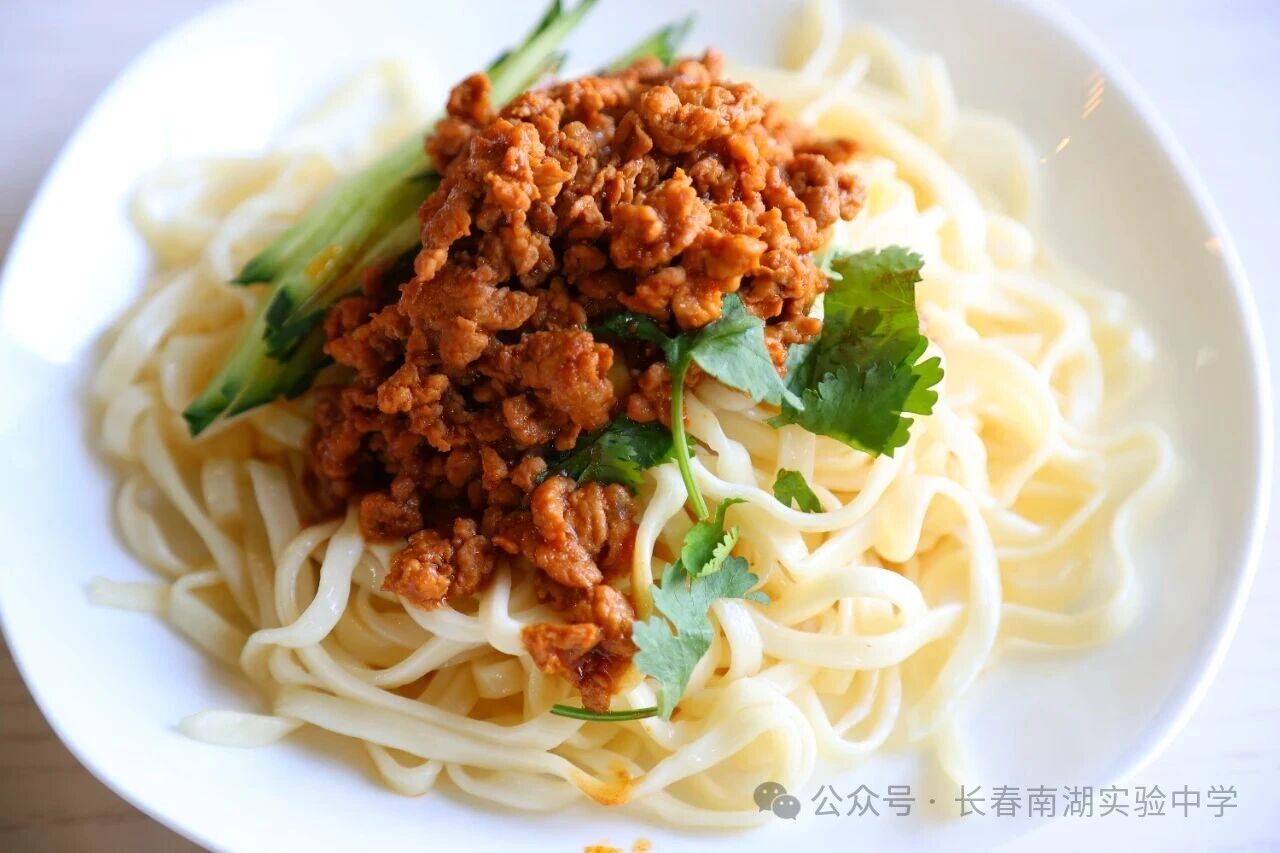
Zha Jiang Mian offers a savory, deep richness
an echo of the timeless charm and unhurried pace of Beijing’s hutongs
Each bite holds the capital’s grandeur and the quiet warmth of home
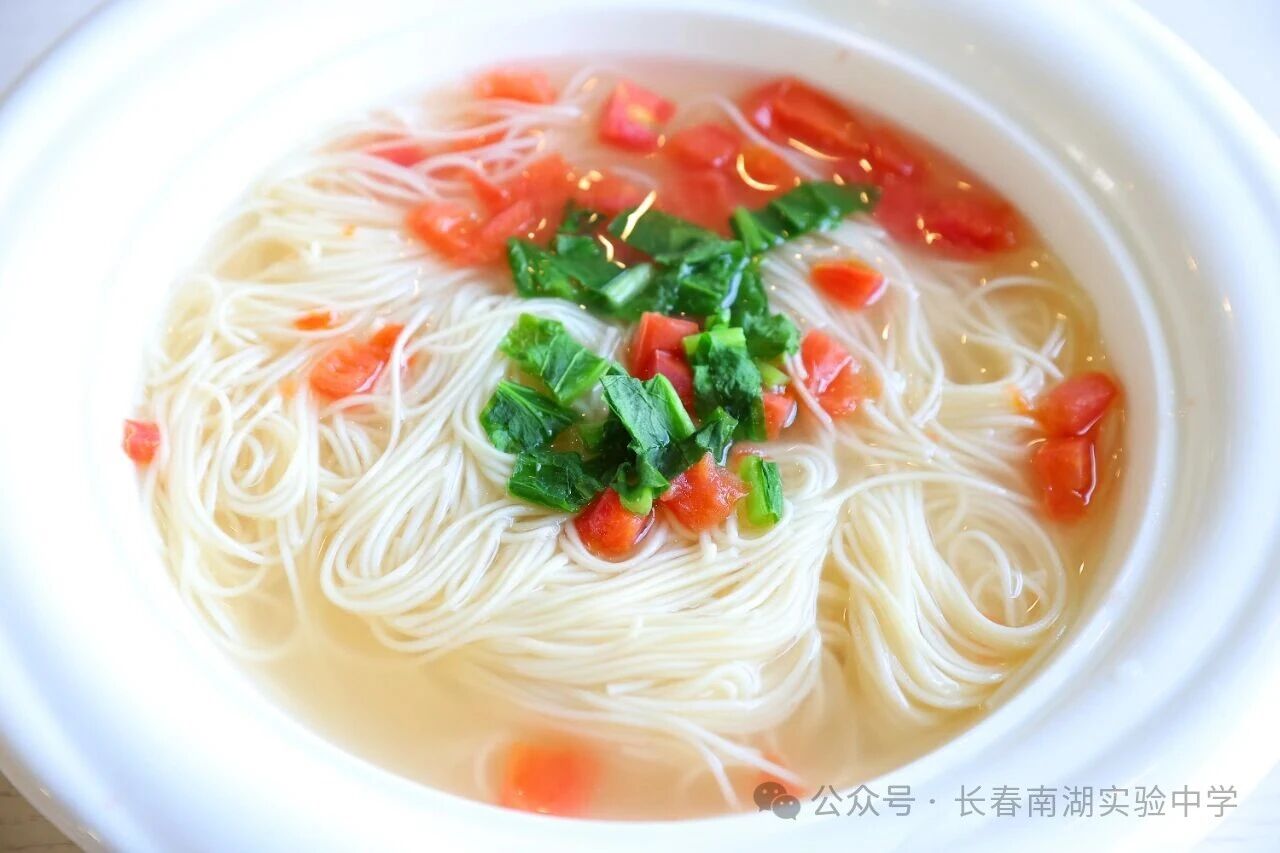
Dragon Beard Noodles, a delicate art born of countless kneads and pulls
Silken threads bathe in savory broth, catching the soft glow of morning light
Each bite reveals the tender warmth and quiet grace of time itself
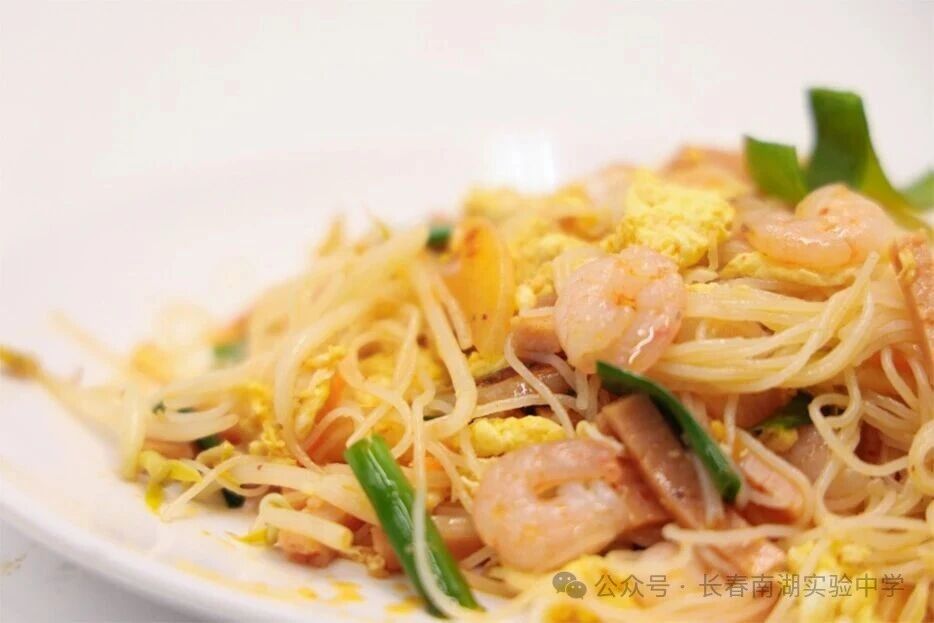
Thin Singapore-style fried rice noodles, with their distinctive texture and bold, savory flavor
have captured the hearts of our Nanhu students
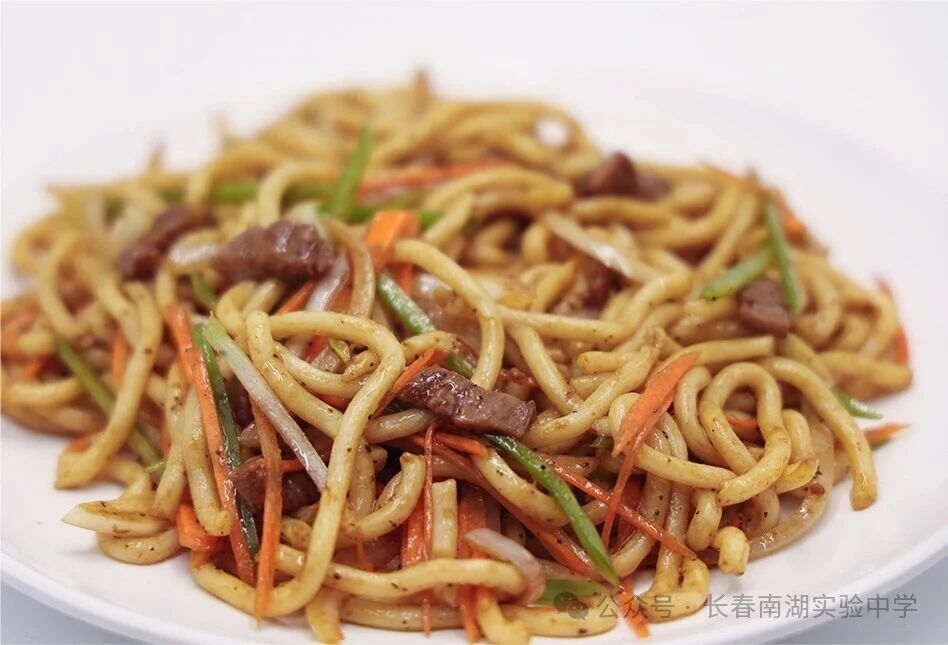
Plump udon noodles, vegetables, and shredded meat toss and swirl warmly in the pot
A steaming bowl of udon at dawn
always brings simple, genuine joy to our Nanhu students
Steamed buns hold the millennia-old fragrance of wheat in ancient verses
Shuowen Jiezi (Explaining Simple and Analyzing Compound Characters) notes
“Miàn (flour) is the fine powder of wheat
it combines the radicals shǒu (head) and mài (wheat)
In small seal script, the semantic radical shǒu was added
embodying the agricultural philosophy that “wheat-based foods are the foremost of all sustenance
Today, the character miàn refers to both wheat and wheat flour
forming the very foundation of noodles, steamed buns, and countless other dishes
and simmering with the warm, living heart of everyday life
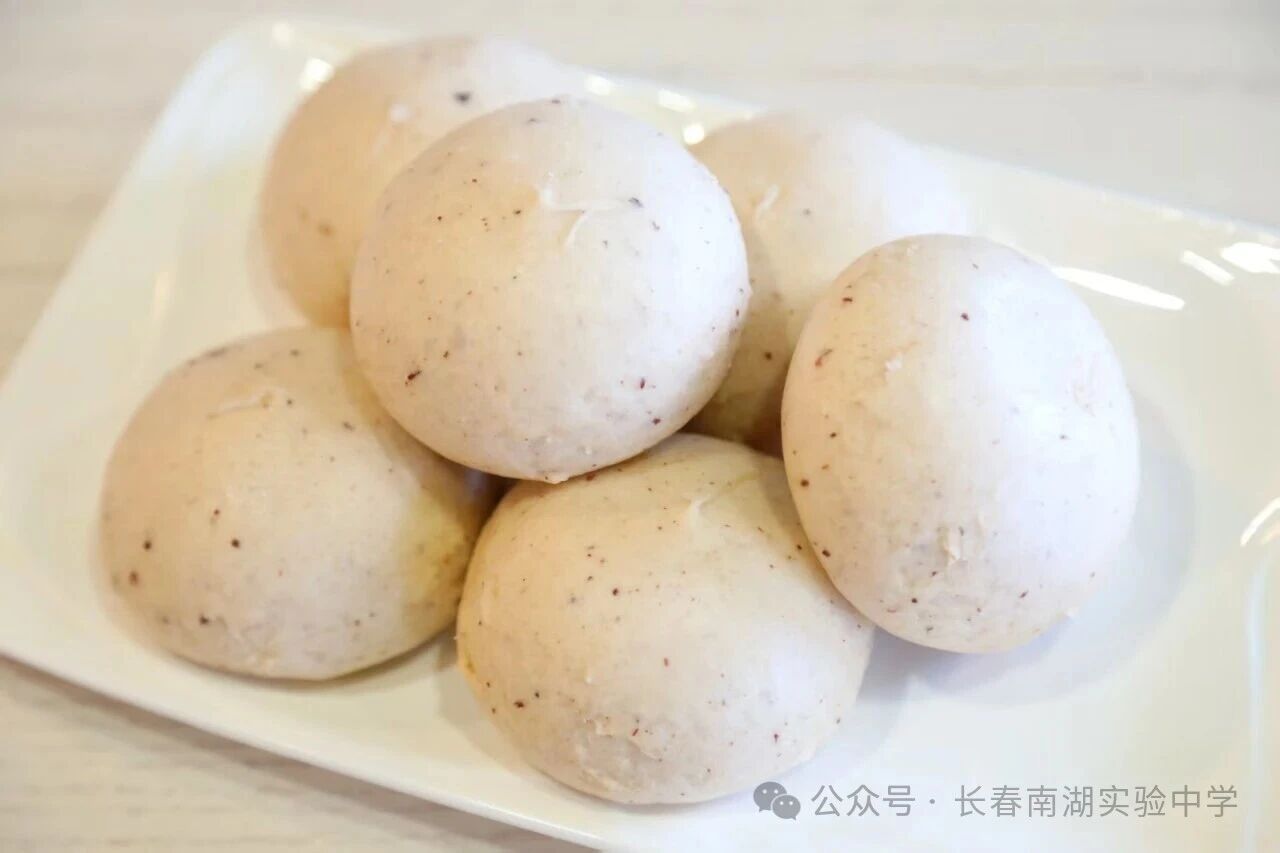
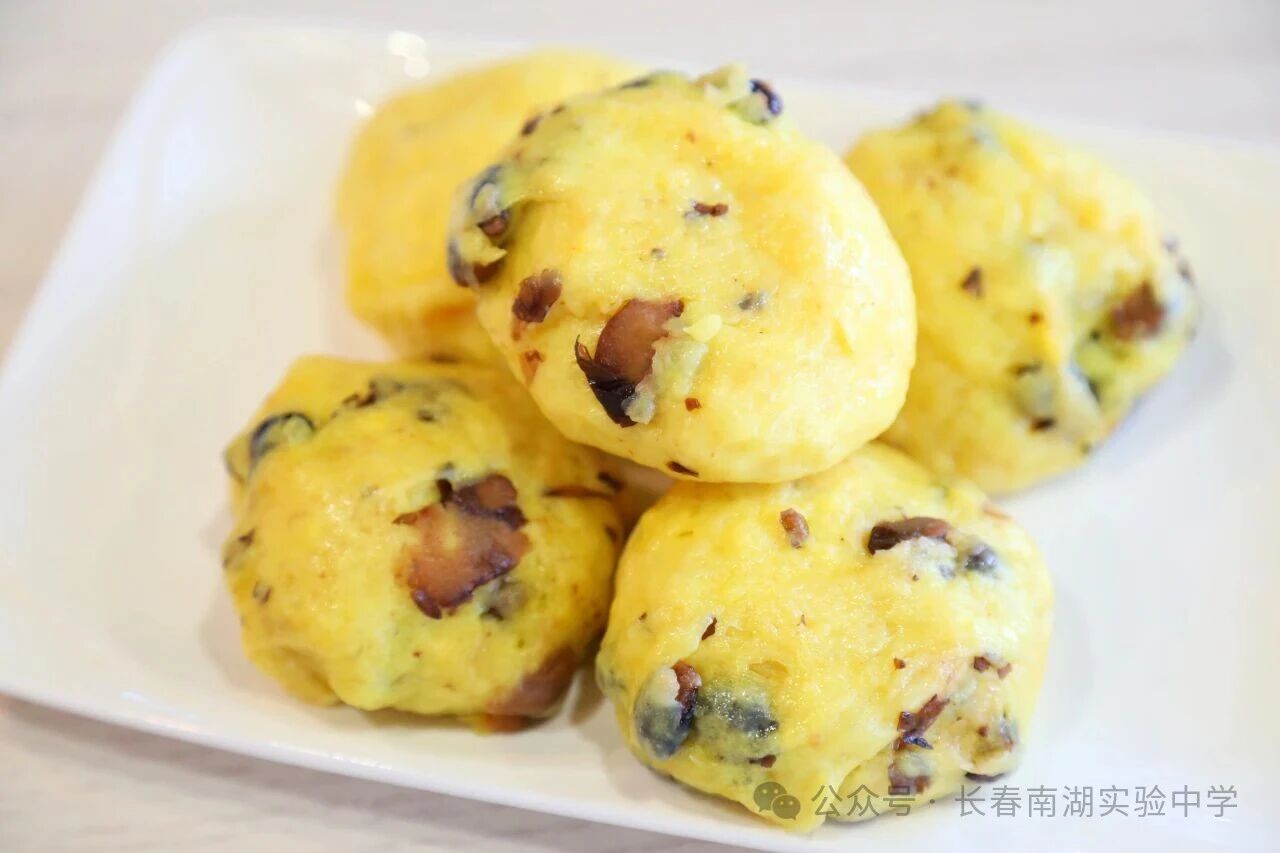
In the poem New Year's Eve Family Banquet for Nephews and Sons, it is written
“On New Year’s Eve we feast again
two piles of steamed buns tower high
My teeth are weak, yet I enjoy the soft bread
My children vie for the savory meat with delight
The poem shows steamed buns stacked like towers at the feast
revealing their honored place in festival traditions
and painting a vivid picture of a plentiful New Year’s Eve dinner
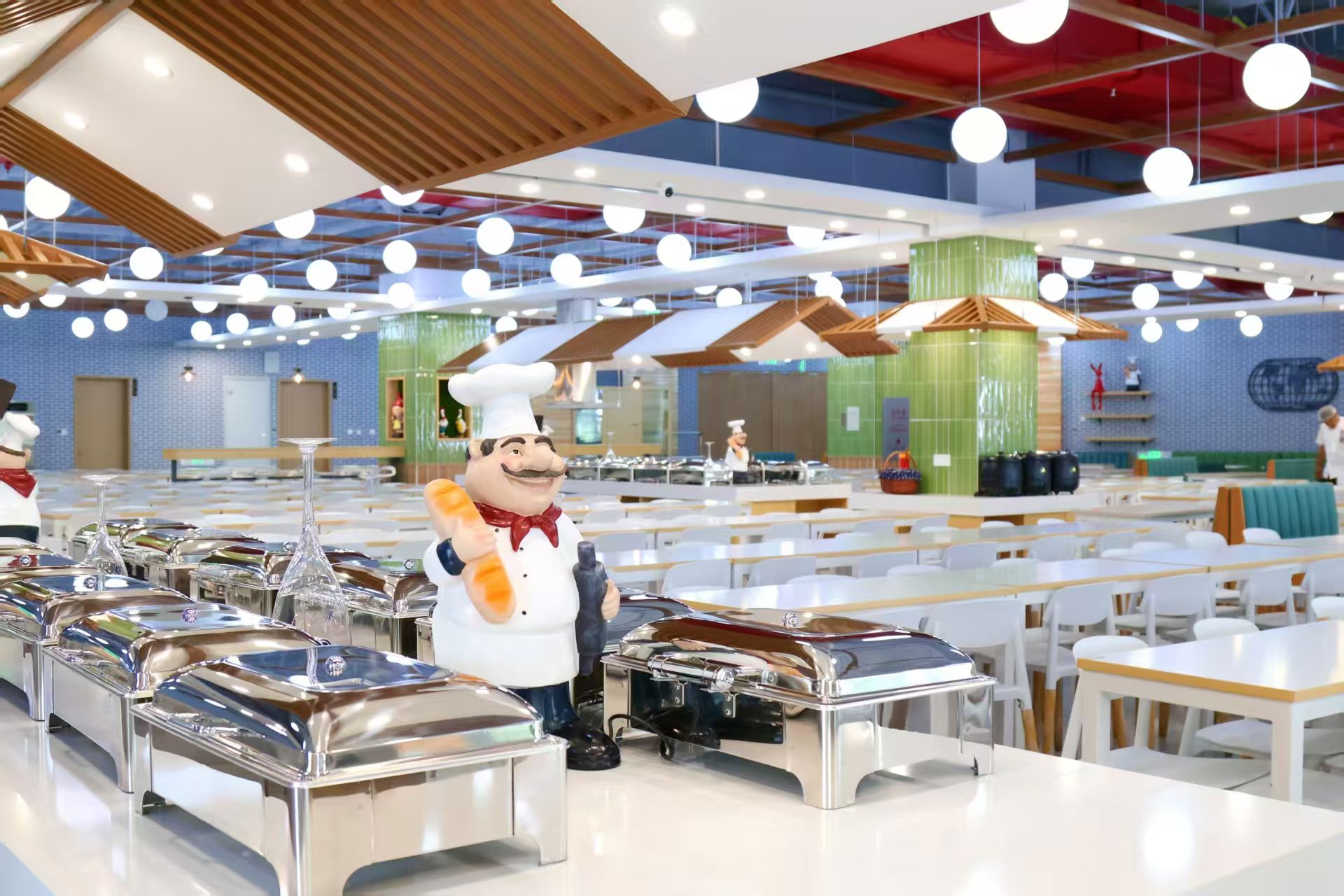
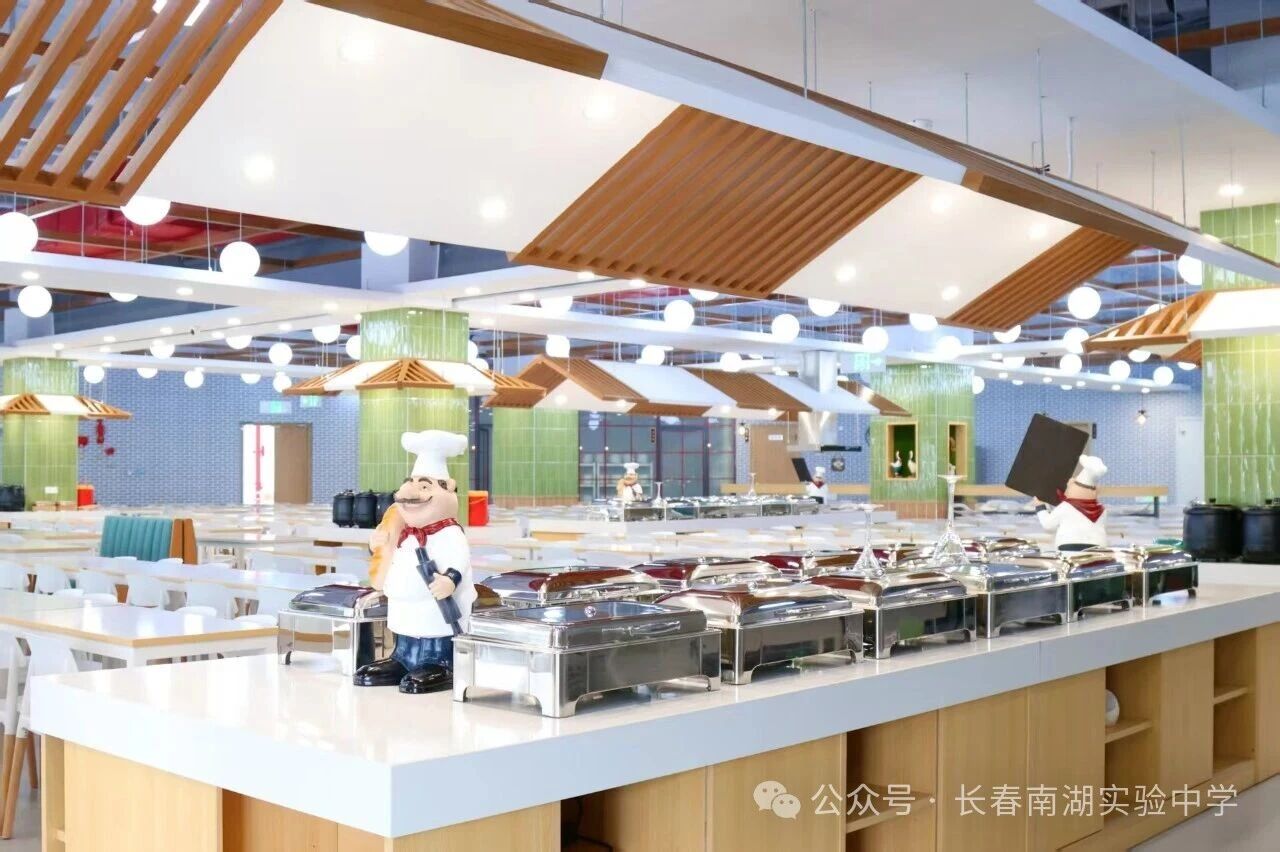
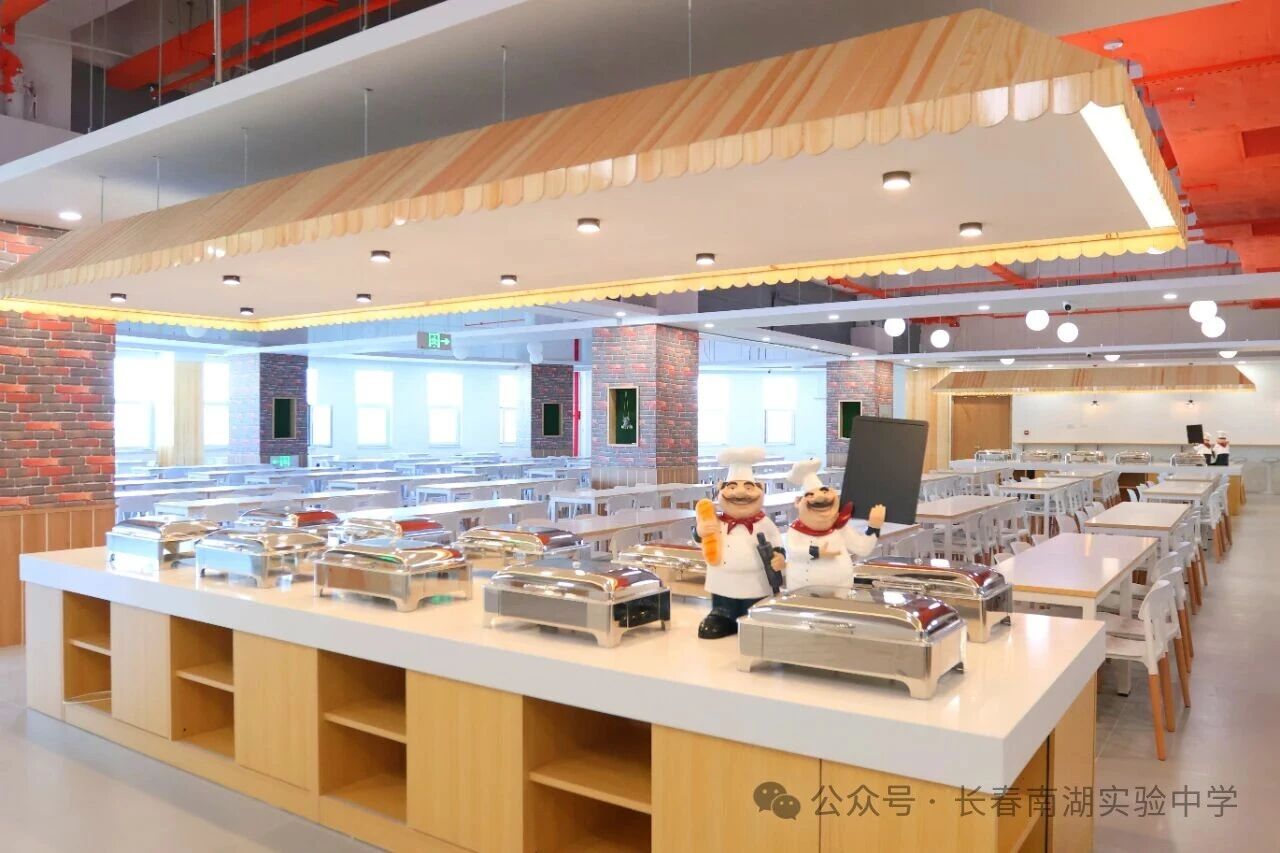
Here in the canteen of Nanhu Experimental Middle School
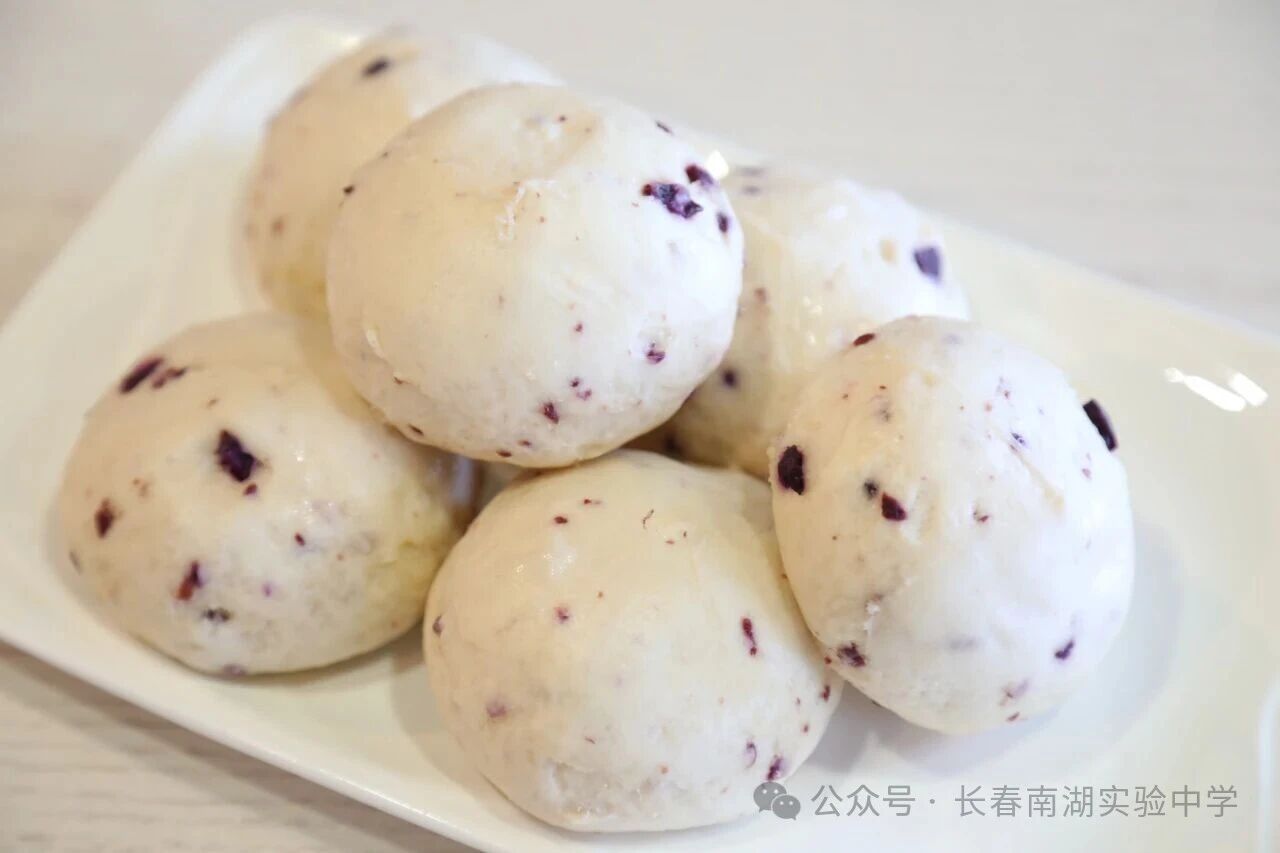
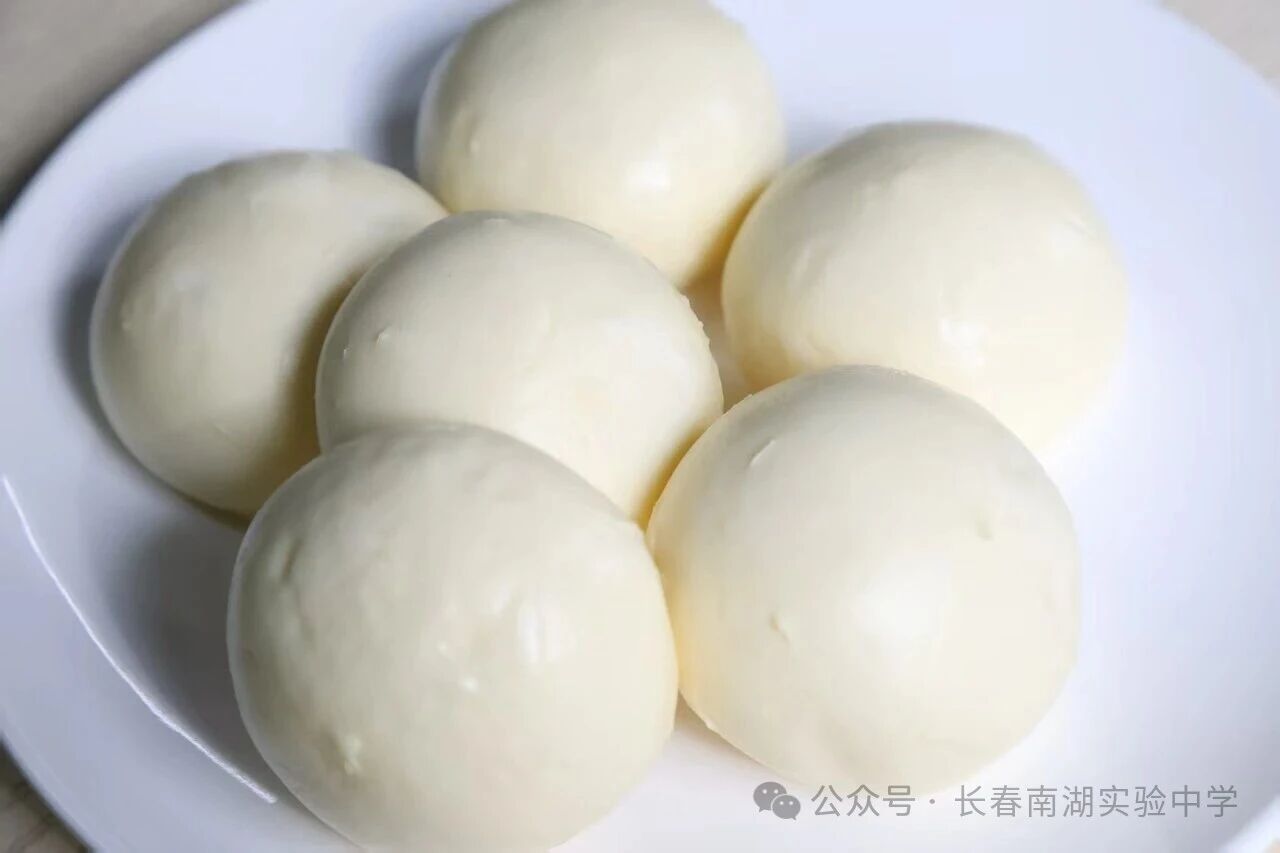
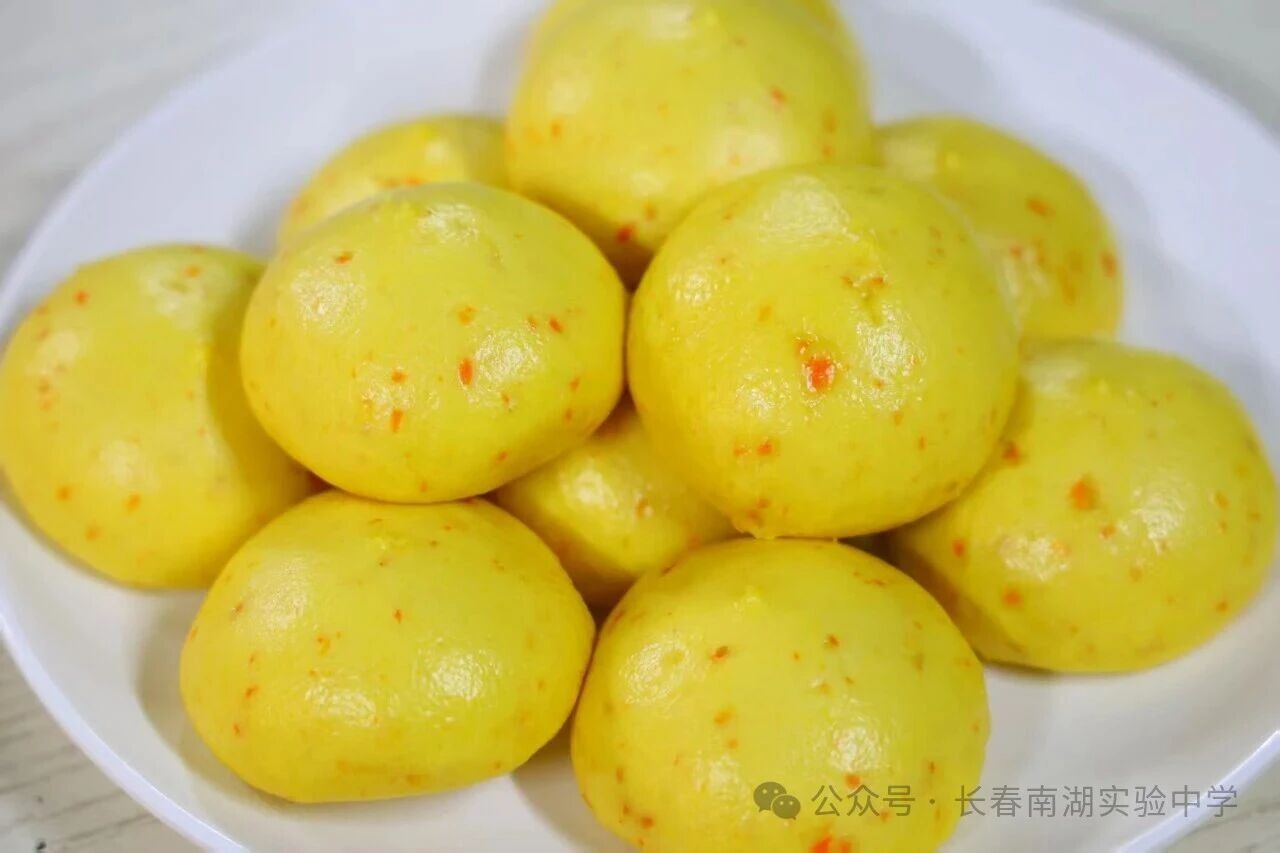
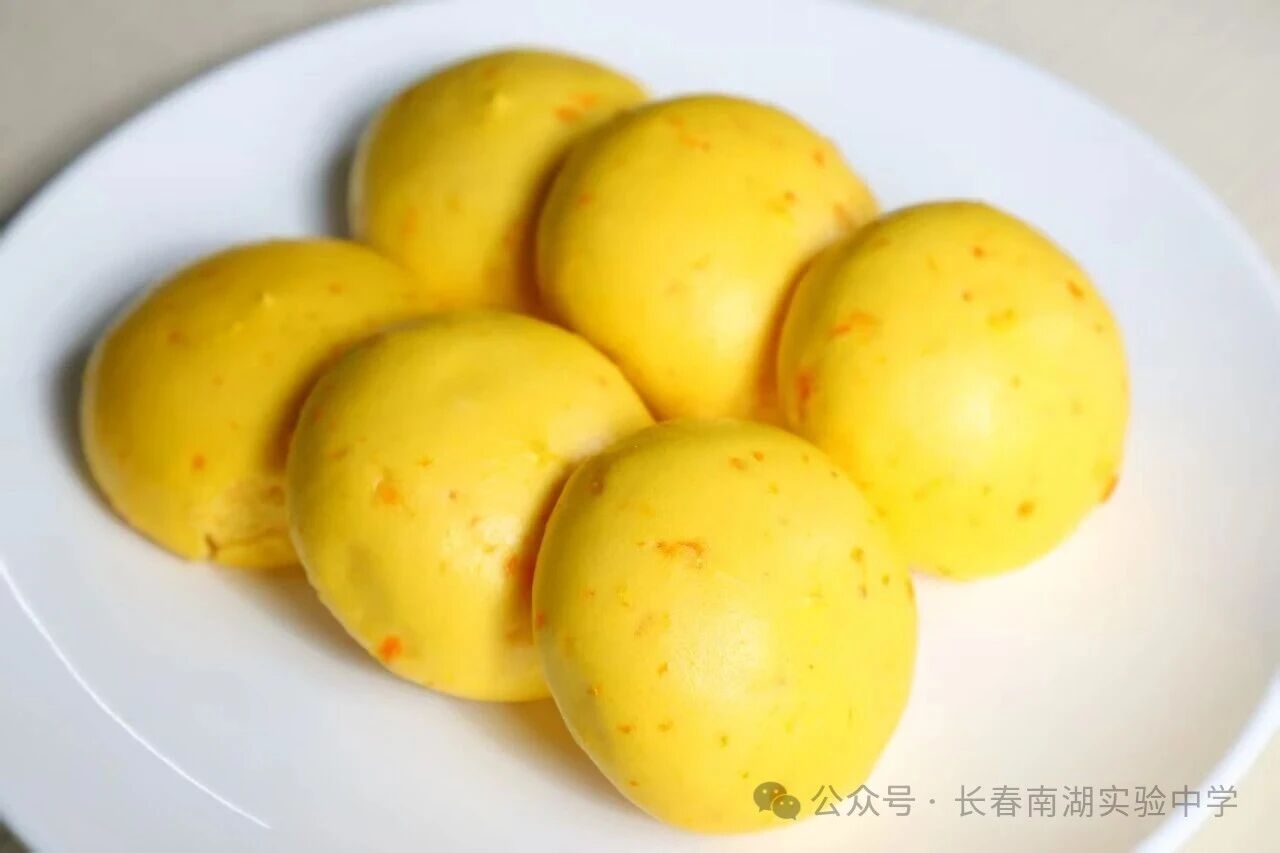
steamed buns are made in a wonderful variety of flavors
As tastes connect ancient and modern times
our students discover the pure, genuine warmth of food itself
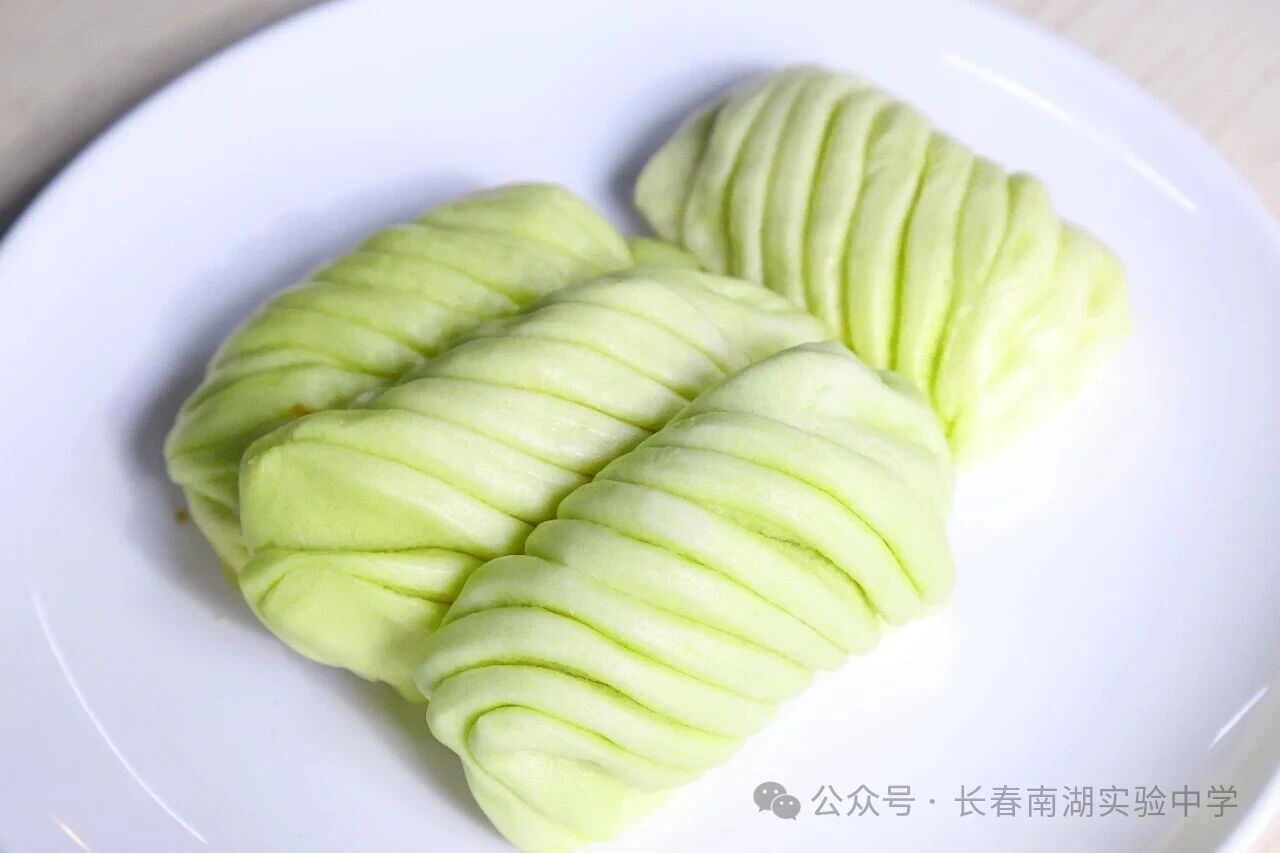
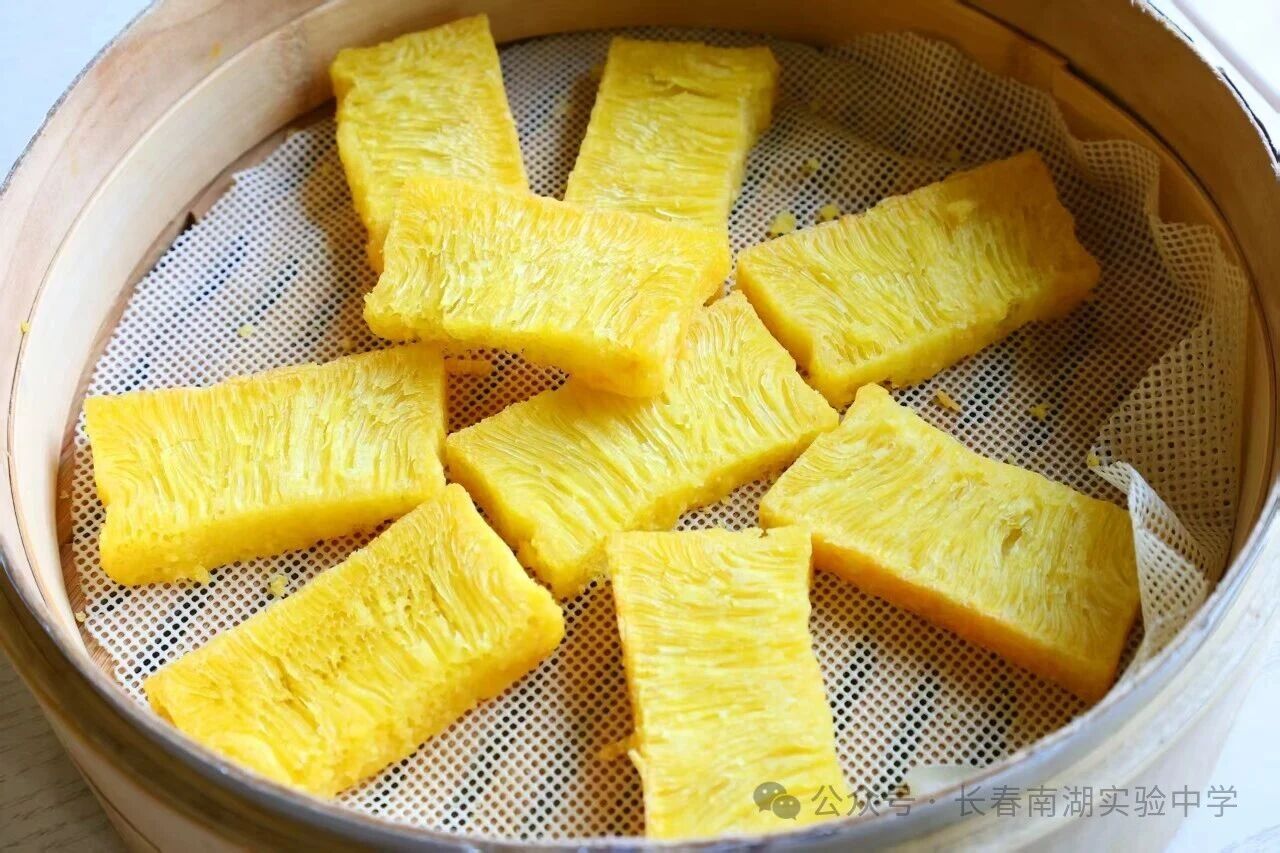
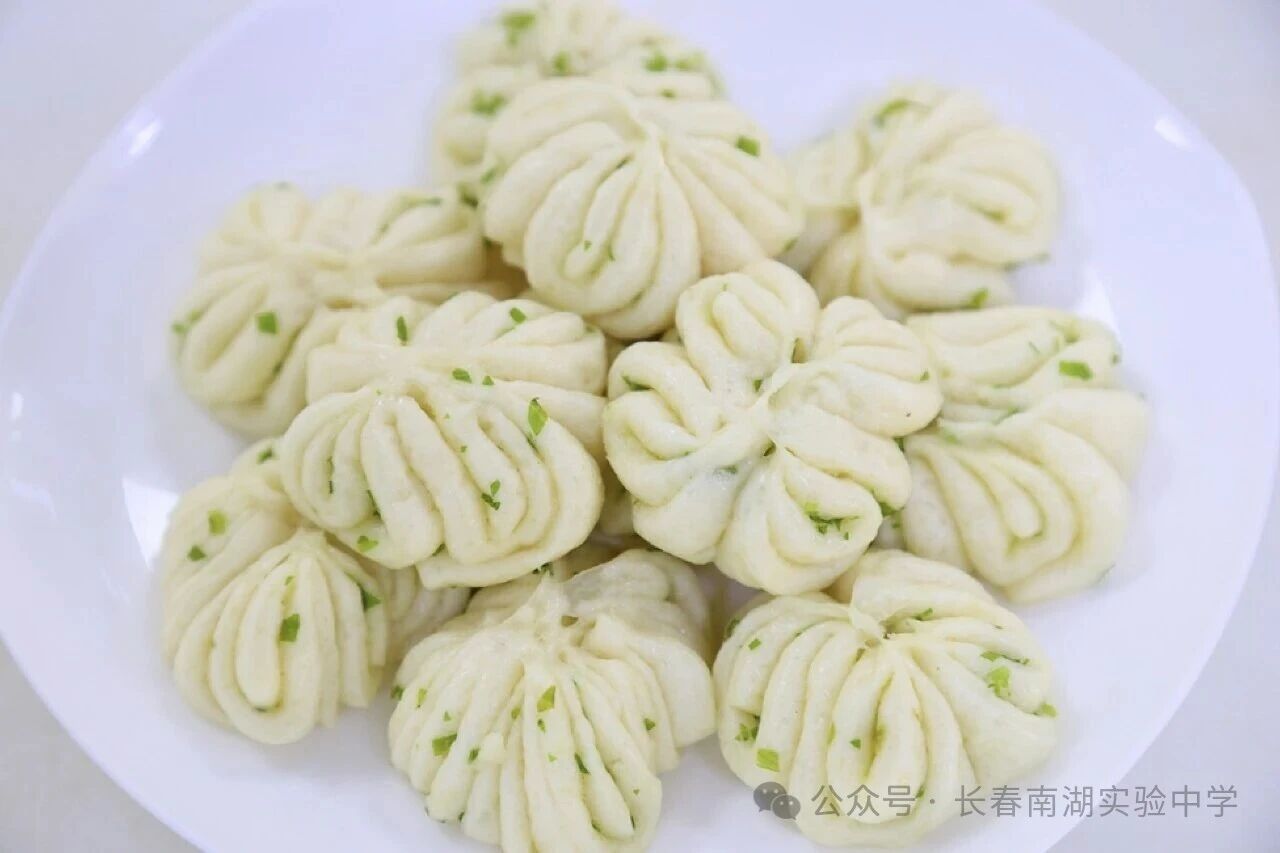
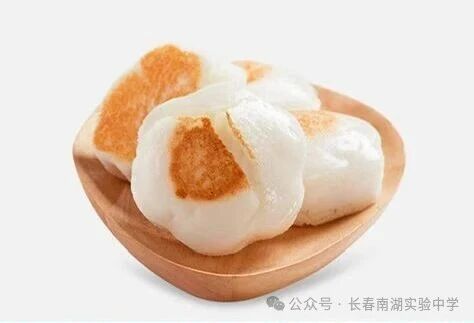
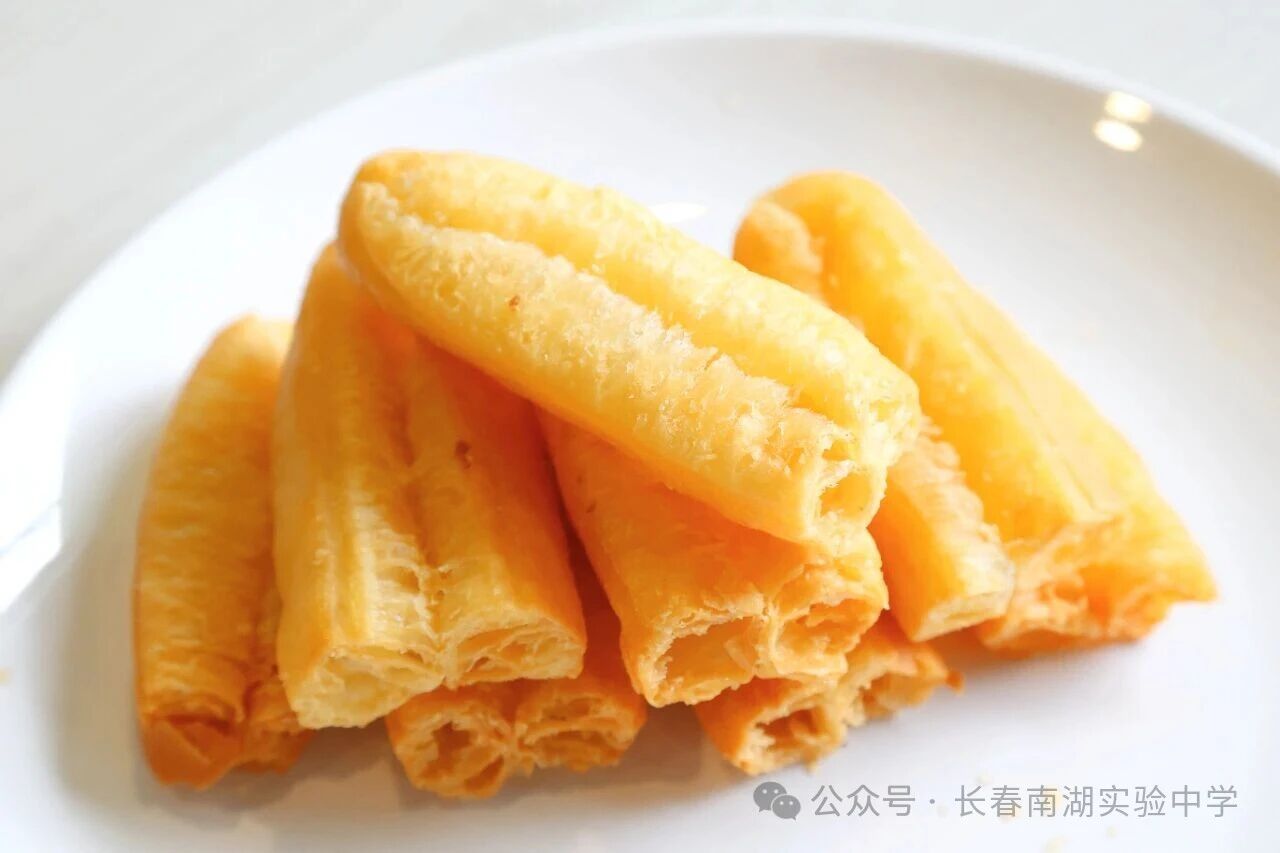
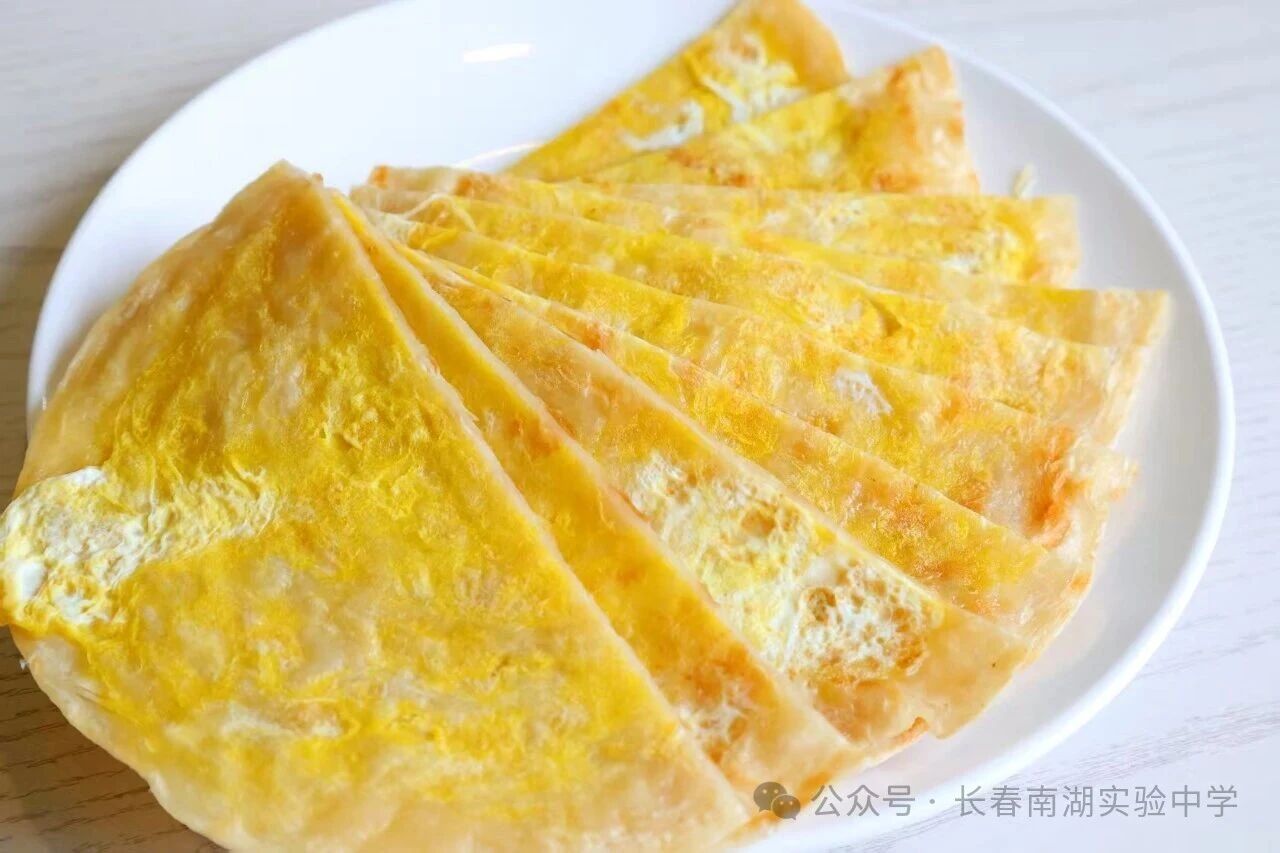
Since time immemorial, delicious food has been the sweetest reason to gather
We connect with the centuries-old culture of wheat-based foods
and savor countless delicacies
as sweet as red bean paste, taro, purple sweet potato, and jujubes
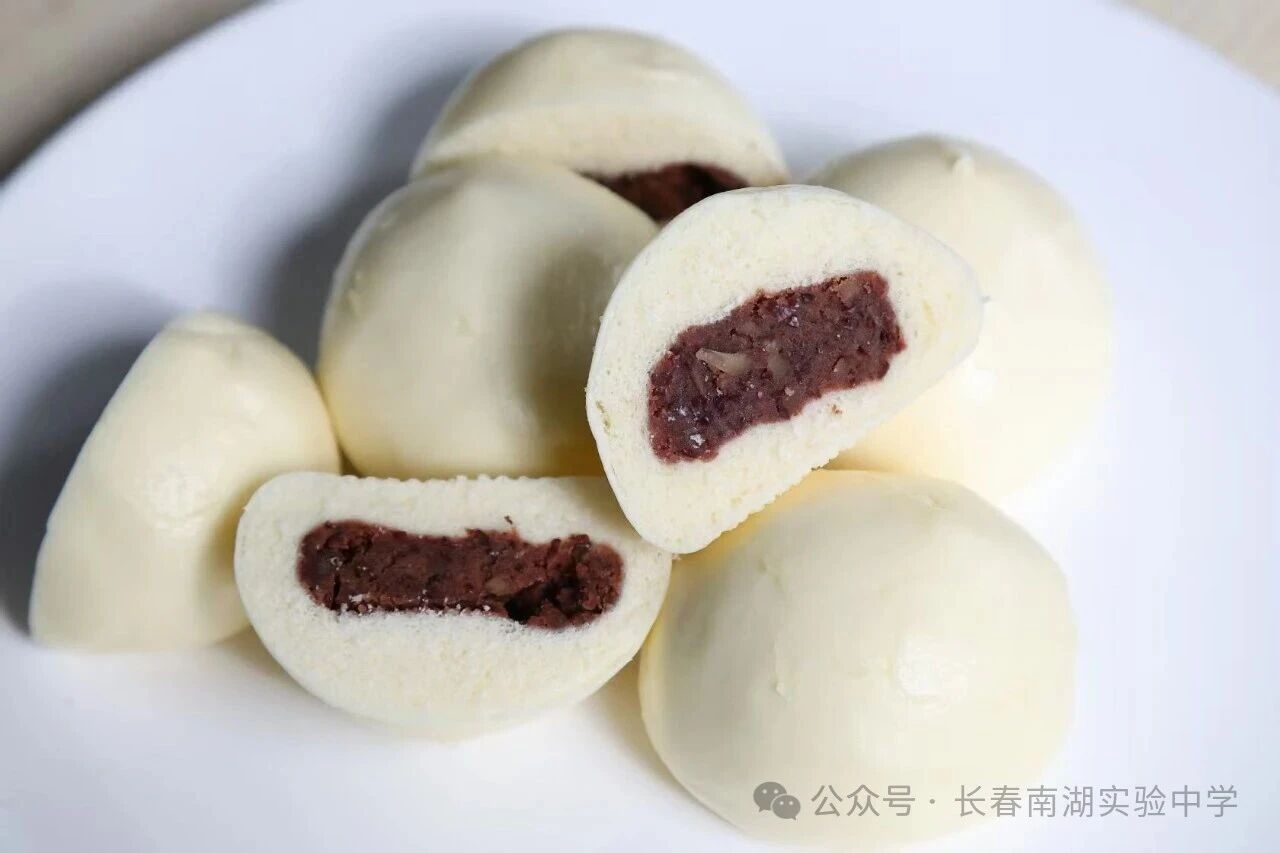
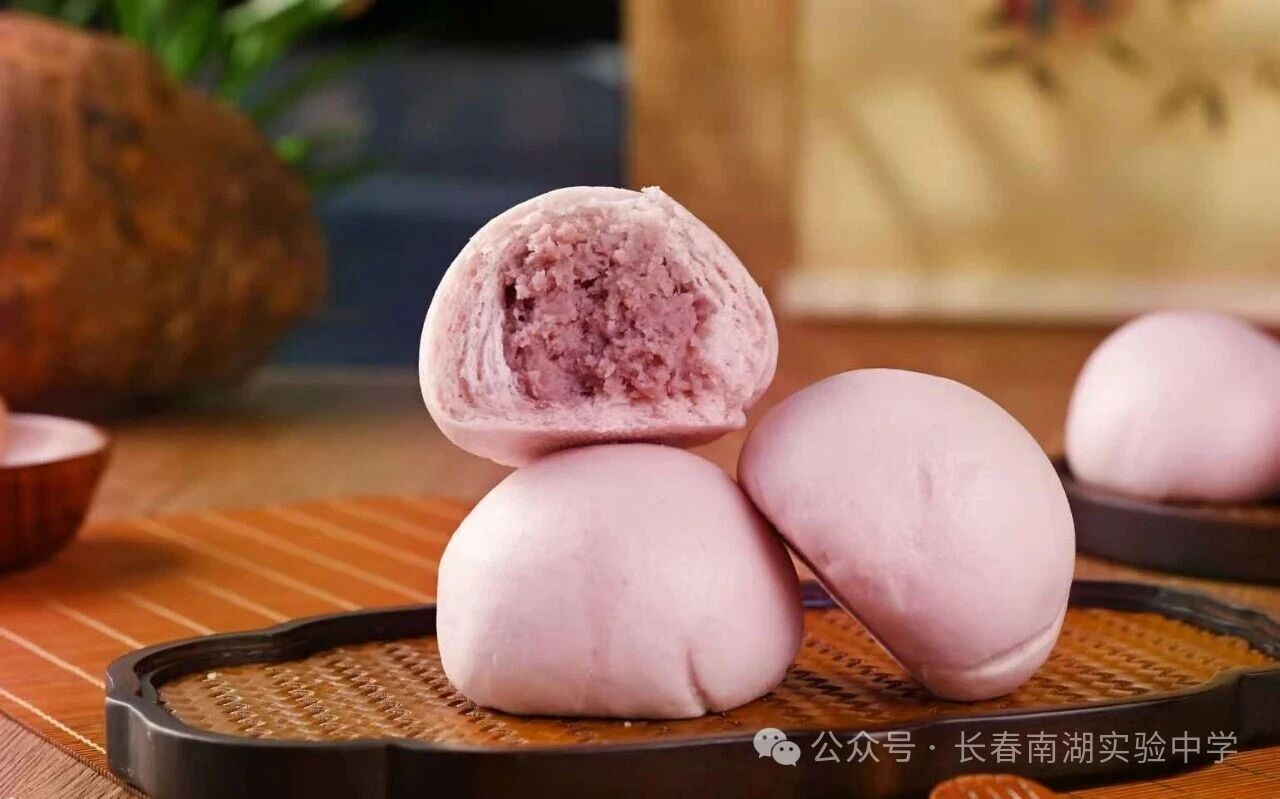
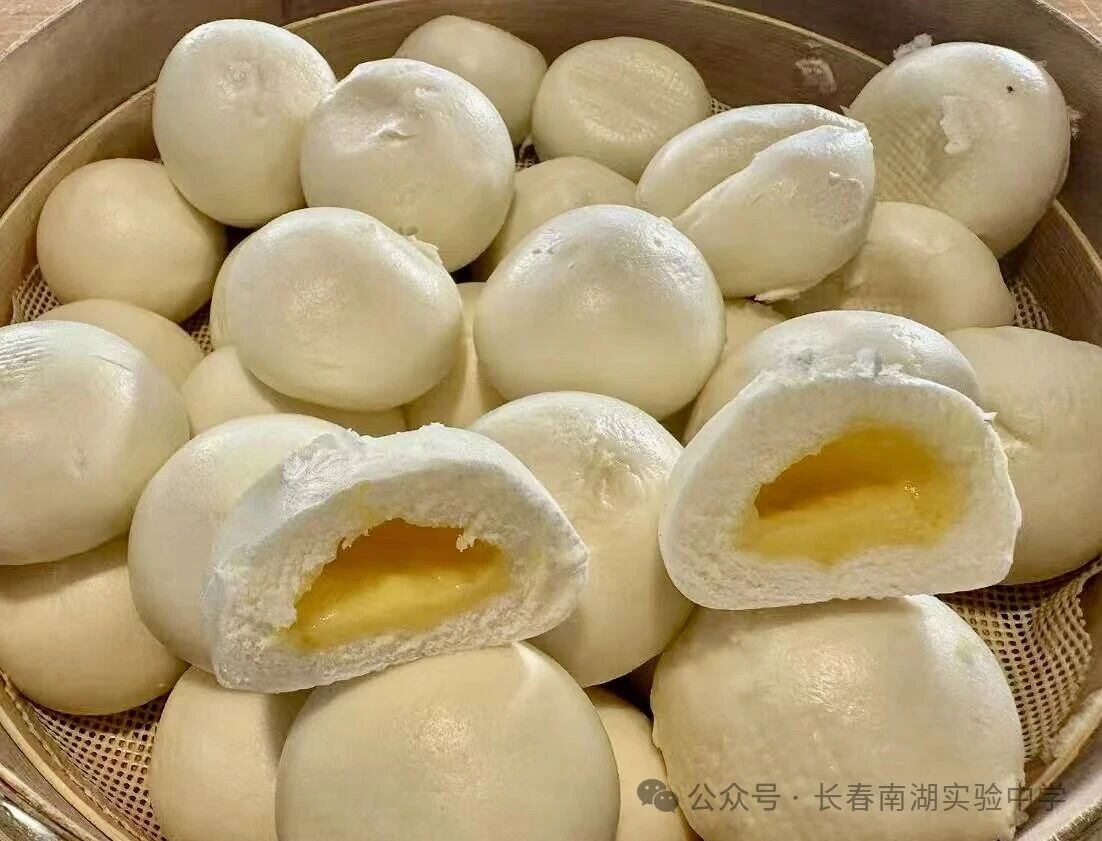
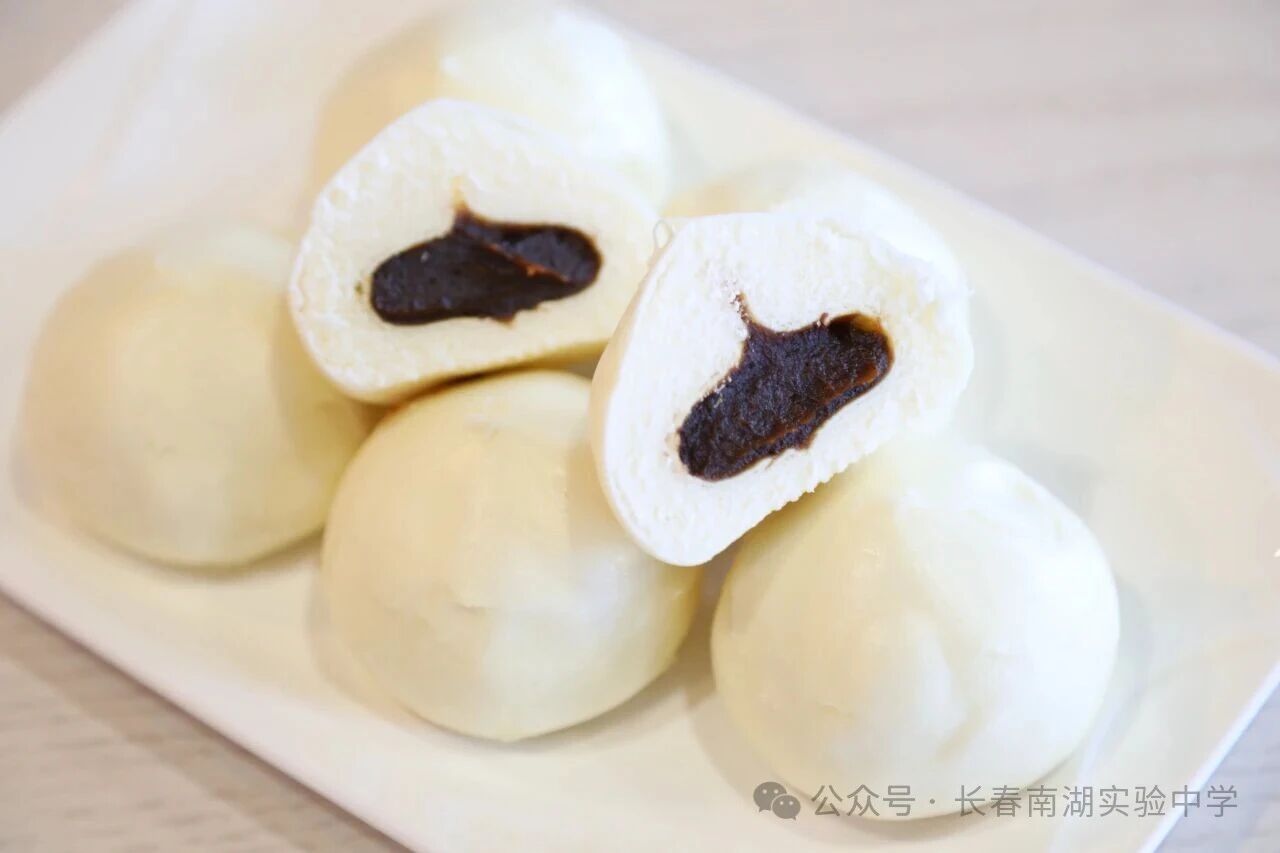
Nanhu’s canteen weaves one beautiful memory after another for our students
with delicious food and warm wishes
Xiaolongbao, steamed dumplings, wontons…
each wraps savory meat goodness in a thin, tender wrapper
Every piece holds a longing for reunion
Hidden inside the filling are the memories of years
the comfort of home
and a beloved flavor that stays in our hearts no matter where we go
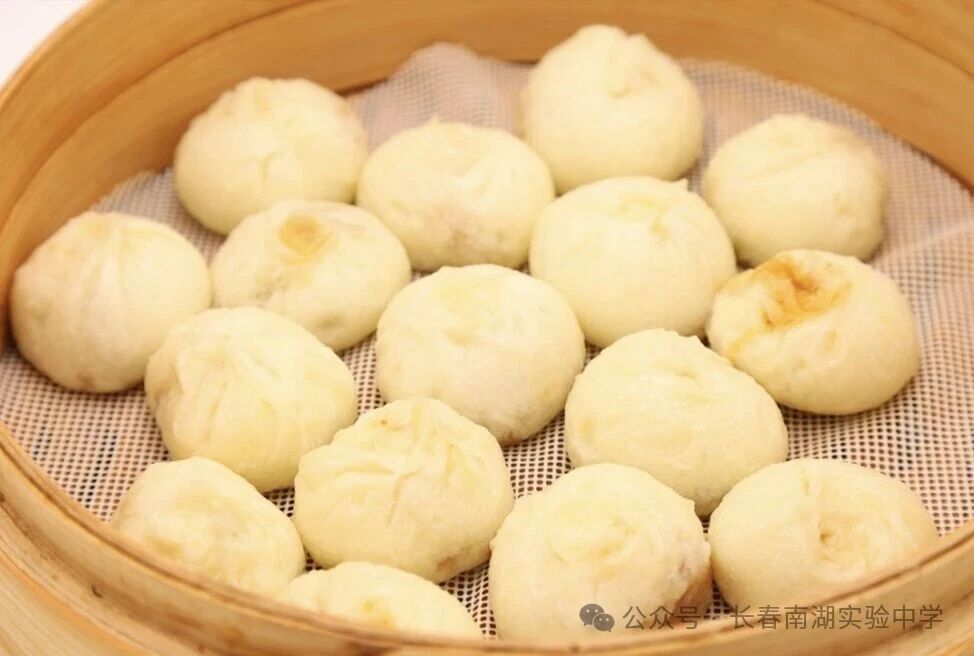
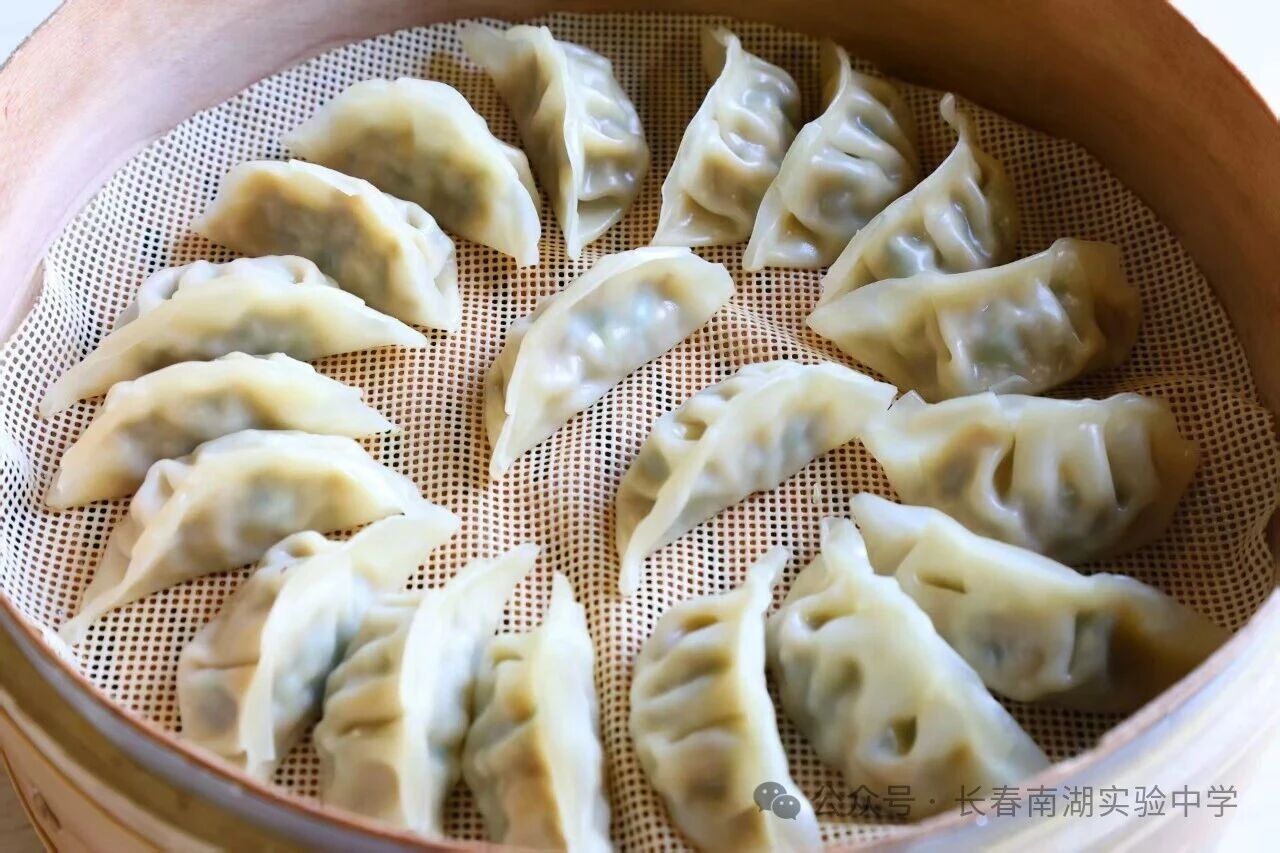
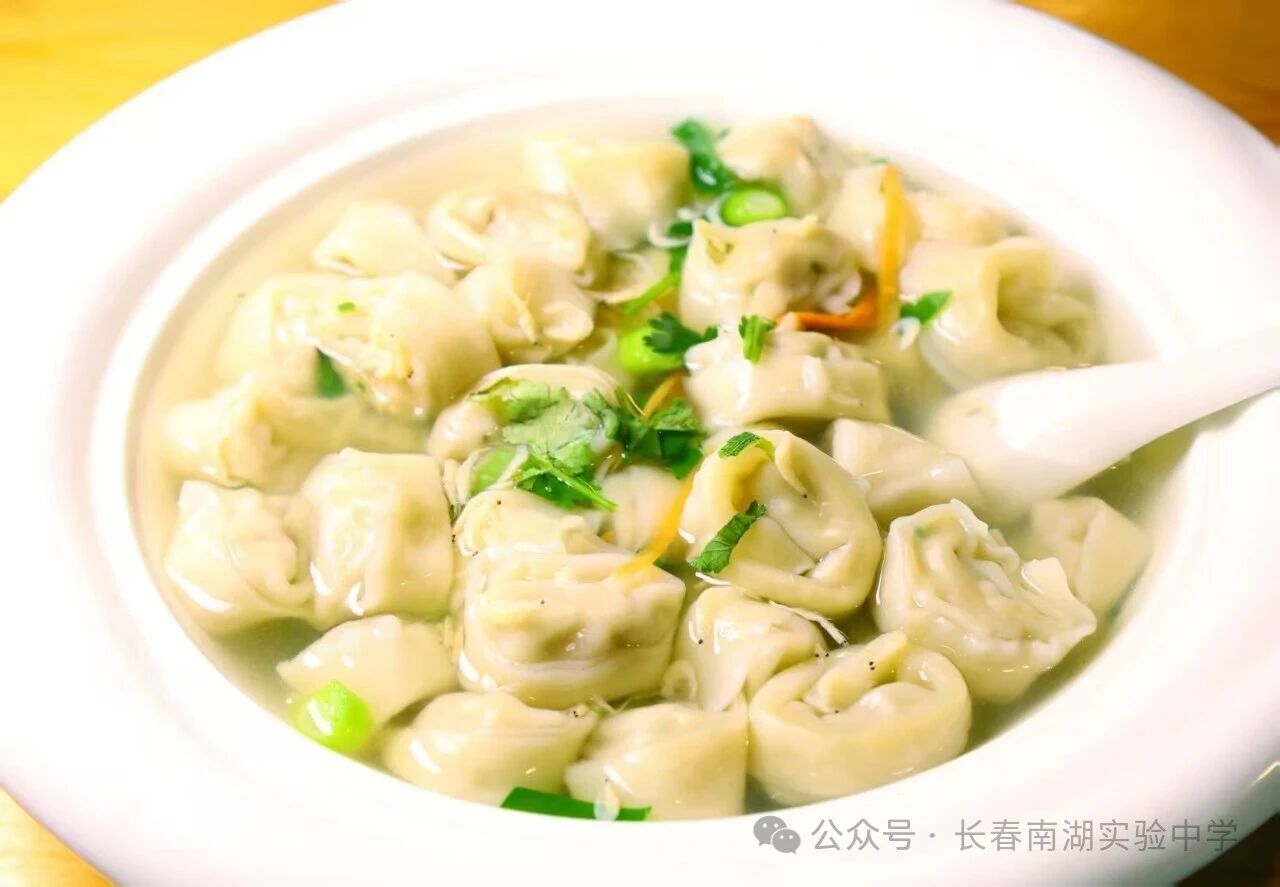
No wonder, across the millennia-old culture of wheat-based food
pearl soup and noodle slice soup have carved themselves
into unforgettable culinary memories for so many
their charm one of a kind
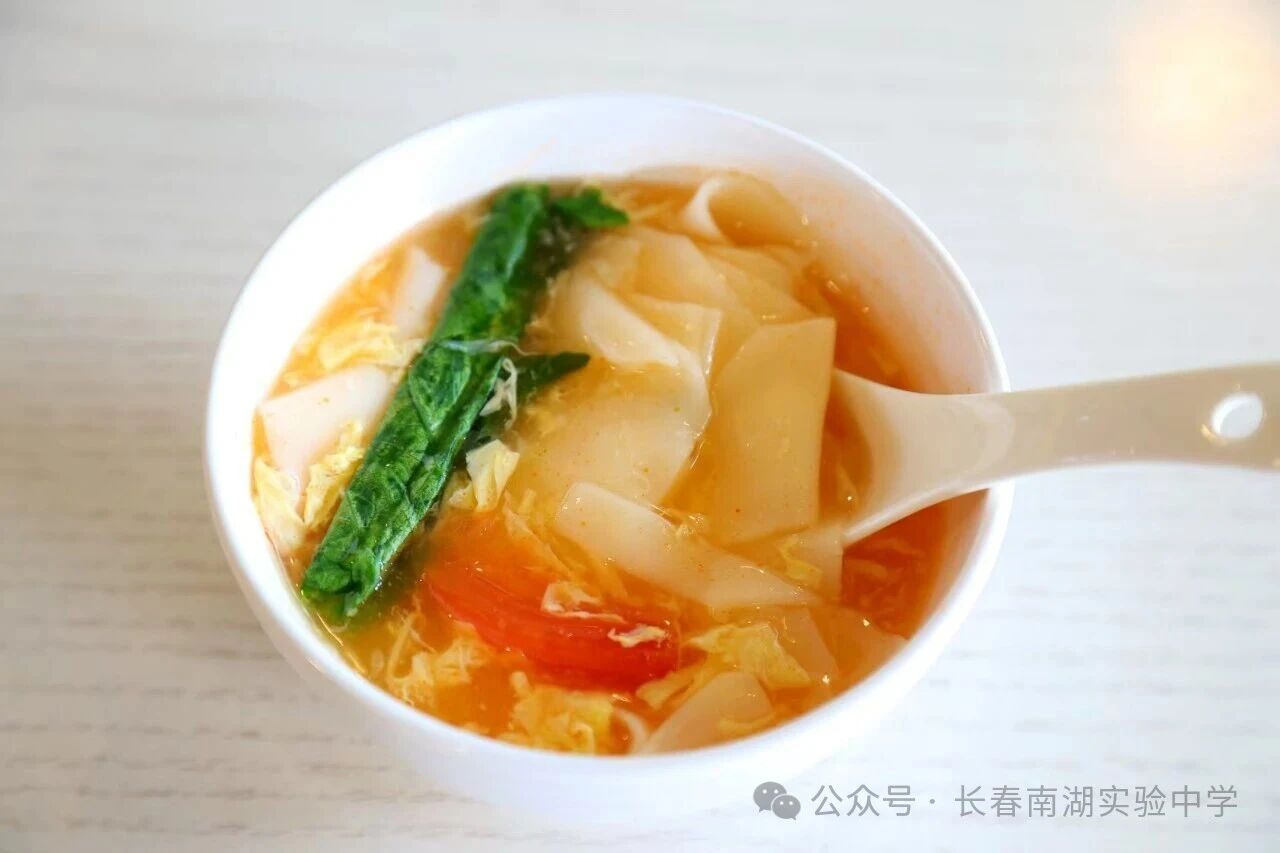
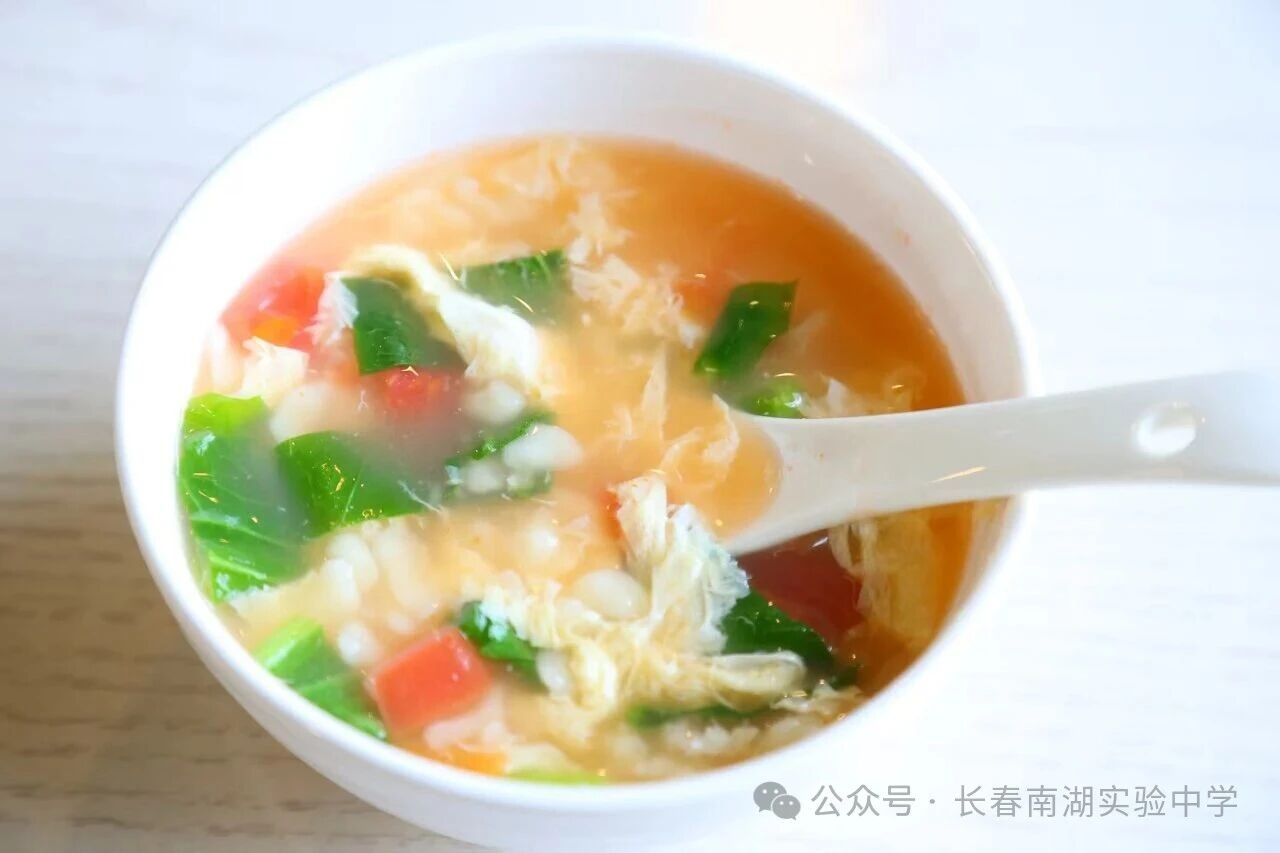
Western pastries serve as a bridge between Chinese and global cultures
As a vital part of human culinary civilization
wheat-based food plays an essential role in both Eastern and Western traditions
Whether it’s Chinese steamed buns and noodles
or Western bread and pasta
they are not only the foundation of daily meals
but also messengers of cultural exchange
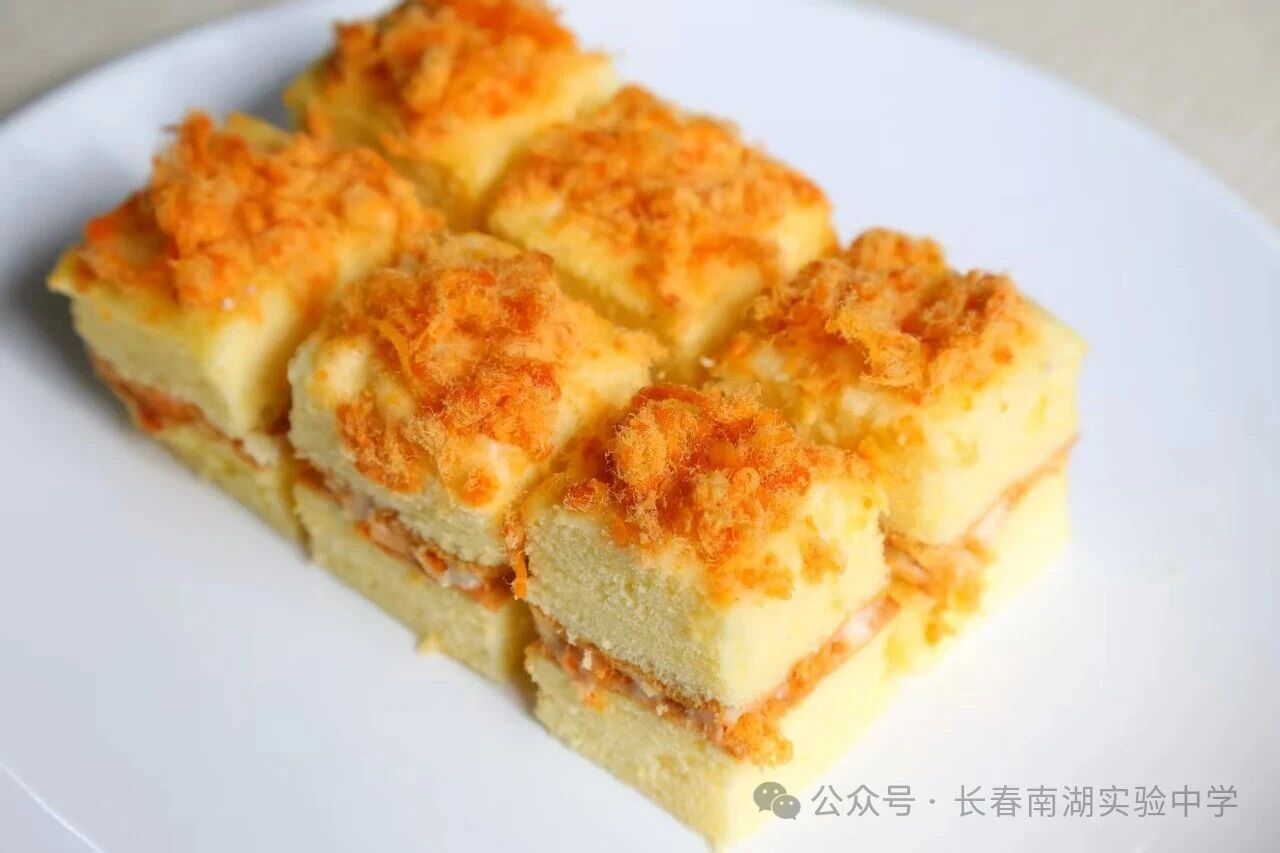
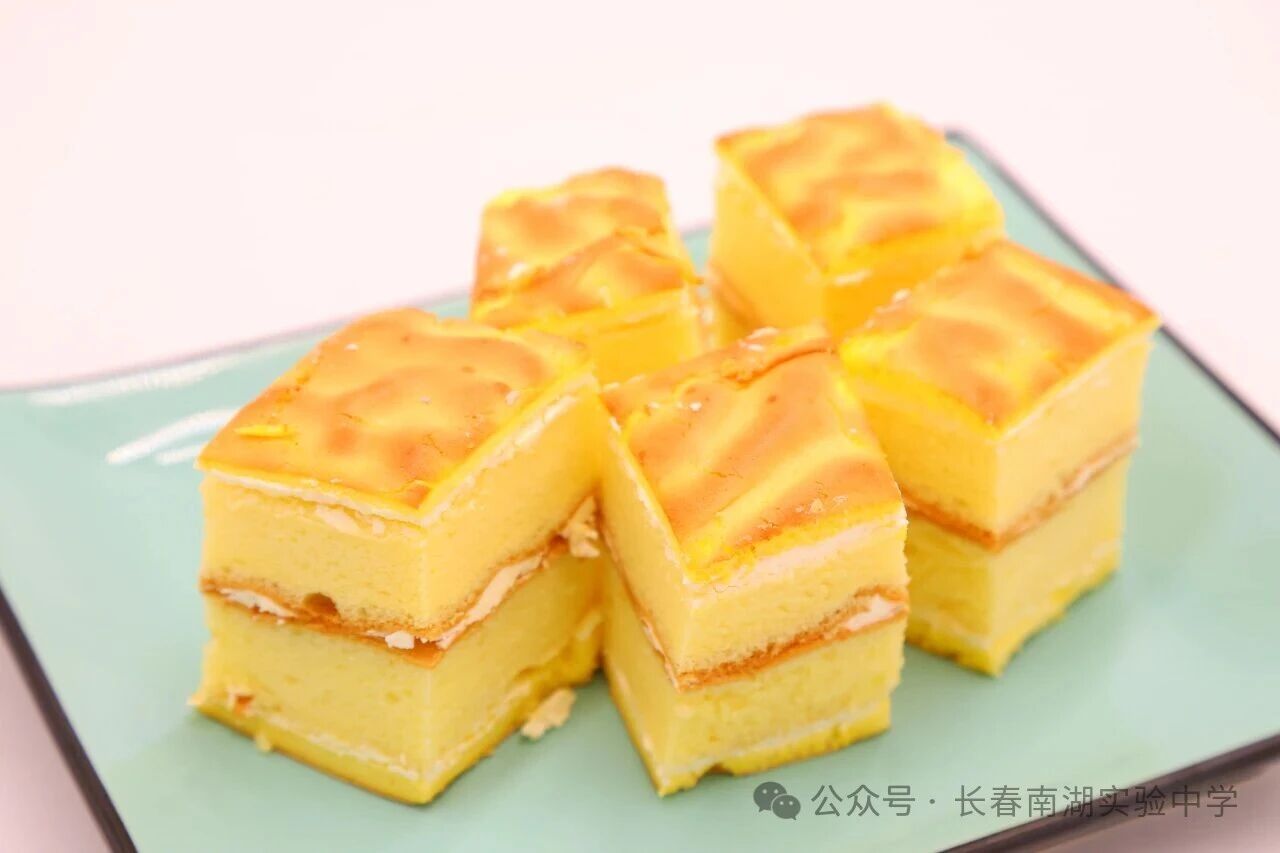
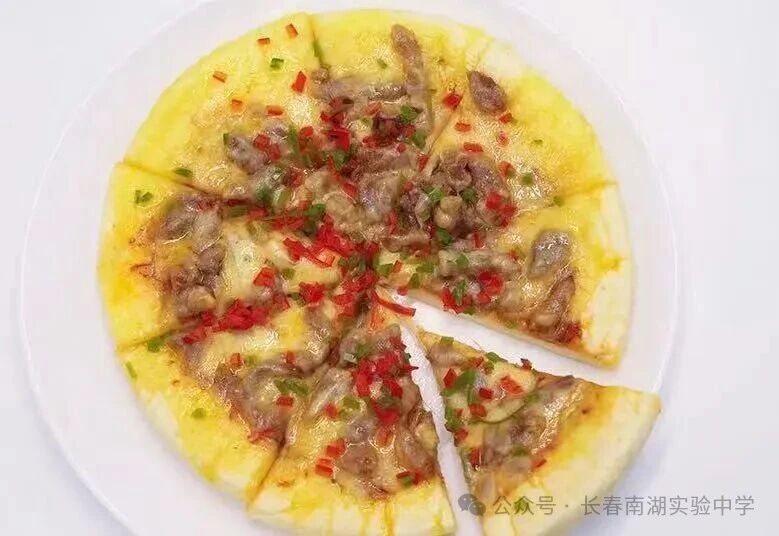
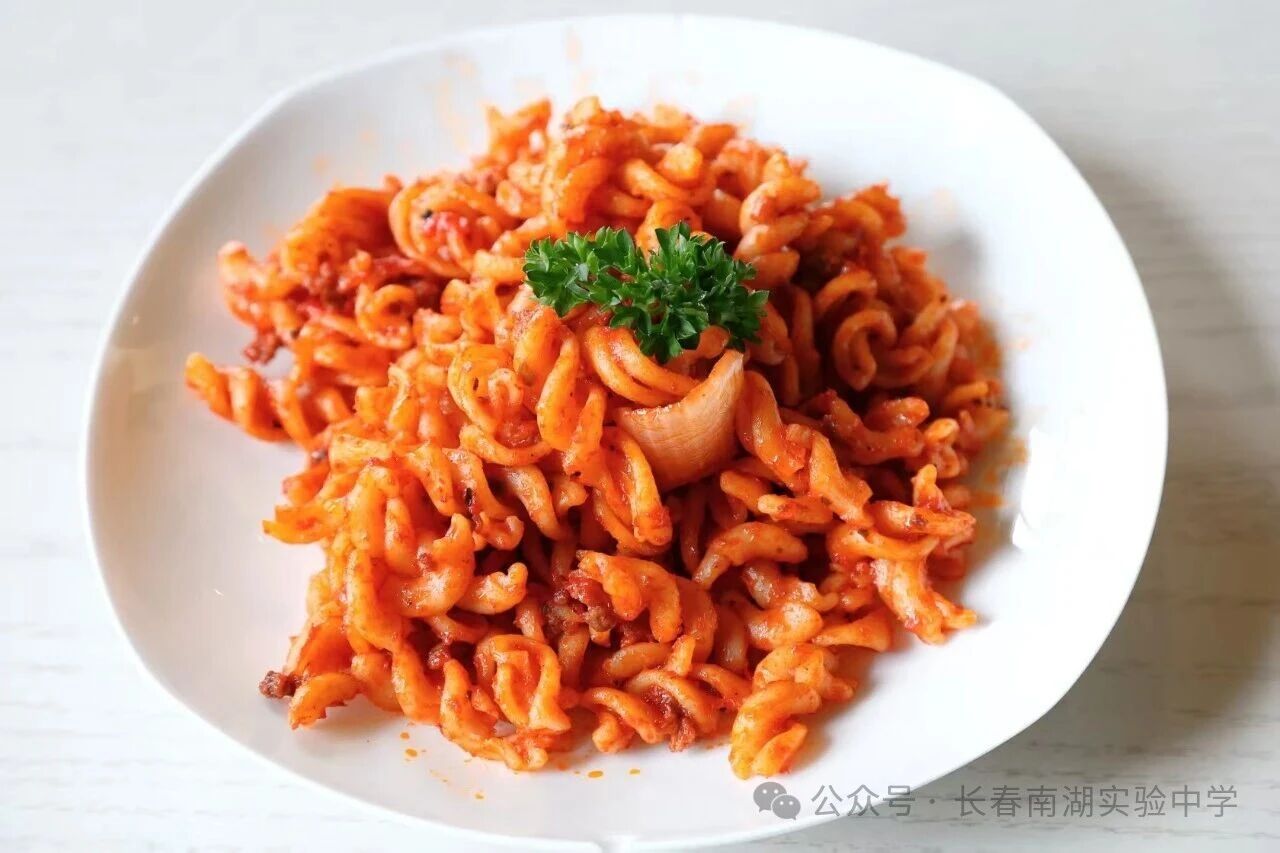
In the Western treats beloved by our students
in every gentle union of flour and water
we rediscover the deep, unspoken grammar of civilizational connection
Wheat-based food is more than just sustenance for the body
it is a long, heartfelt letter from Chinese civilization to the world......
Here, the quiet warmth of everyday life soothes the soul
Step into the world of wheat-based food
and outside the window rests the peaceful, unhurried rhythm of Nanhu
The gentle clink of bowls and chopsticks
the rich aroma lingering on the tongue—
laughter, joy, happiness, and contentment
no longer measured by time
